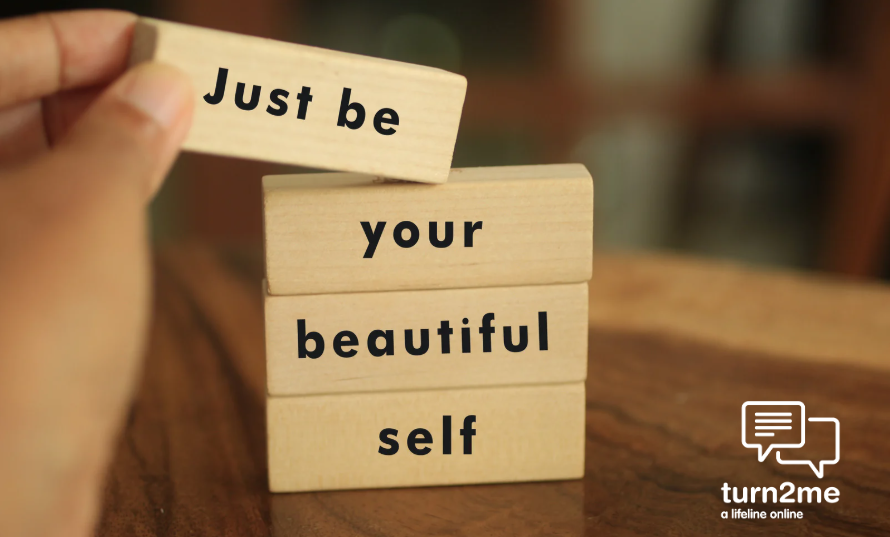
Self‑confidence isn’t about pretending to be perfect. It’s the quiet belief that you can handle what life throws at you. It’s different from self‑esteem, though the two overlap.
- Self‑confidence is your belief in your abilities — what you think you can do, learn, or manage.
- Self‑esteem is your sense of worth — how you value yourself as a person.
Low self‑esteem can drain your confidence, and low confidence can chip away at your self‑esteem. They feed into each other, which is why working on one often strengthens the other.
A confident person isn’t fearless; they’re simply willing to act despite discomfort. They make decisions aligned with their values, take responsibility for mistakes, and stay open to growth.
How to strengthen your self-confidence
- Set meaningful goals. Not huge, dramatic ones — just clear steps that move you forward.
- Collect proof of your progress. Write down achievements, even tiny ones. They matter.
- Identify your strengths. Confidence grows when you acknowledge what you bring to the table.
- Reframe your self‑talk. Replace “I can’t” with “I’m learning.” Replace “I’m not good enough” with “I’m improving.”
- Engage in things that energize you. Creative, physical, social — anything that reminds you you’re more capable than you think.
Confidence is a skill. You build it the same way you build muscle: through consistent, intentional practice.
To book 6 free counselling sessions go to : Free Online Counselling Ireland | Mental Health Support
To register for any of our text-based support groups go to: Online Mental Health Support Groups
Written by Ciara Butler, Turn2Me Volunteer